
Call anytime
021 - 2127 6789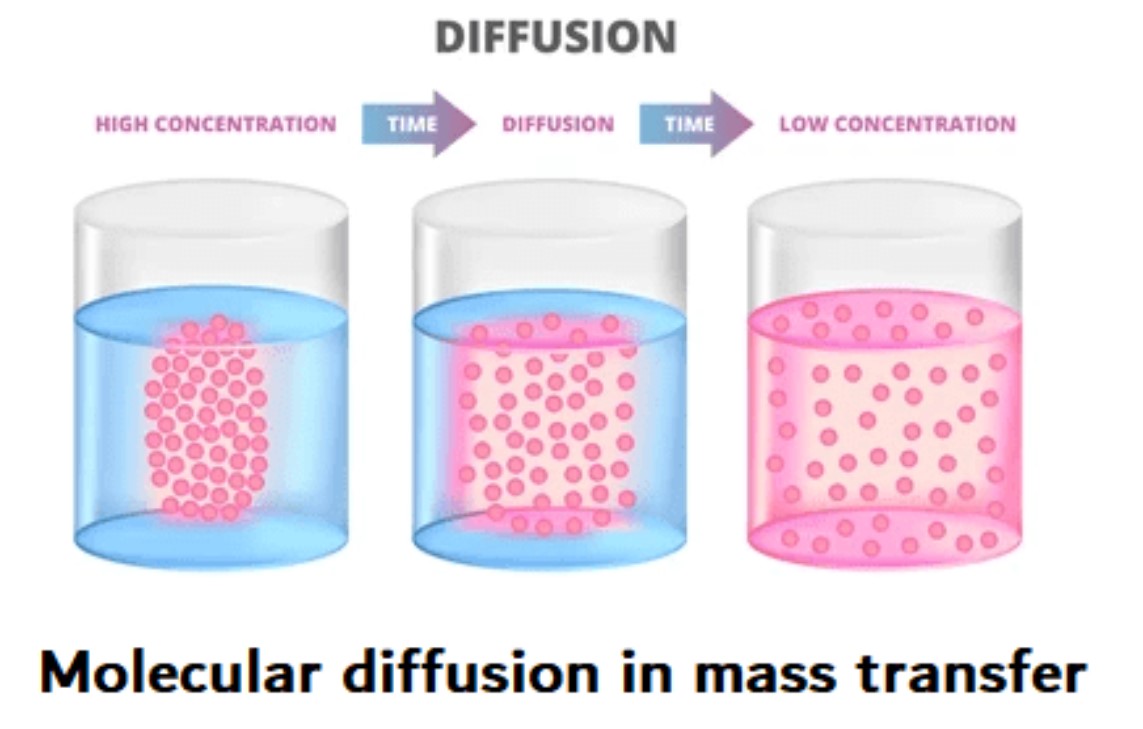
Mass transfer is very important in science and engineering. Mass transfer is also a basic science in a separation process. Mass transfer occurs when a component in a mixture migrates in the same phase or from phase to phase due to differences in concentrations between two points. For example, sugar is added to coffee which will eventually dissolve itself over time and then mix into the entire coffee solution.
Most of the purification processes, of course, involve mass transfer. Distillation to separate alcohol from water due to differences in boiling points, extraction of oil from hazelnut using n-hexane as a solvent, as well as the process of purifying water using membrane separation.
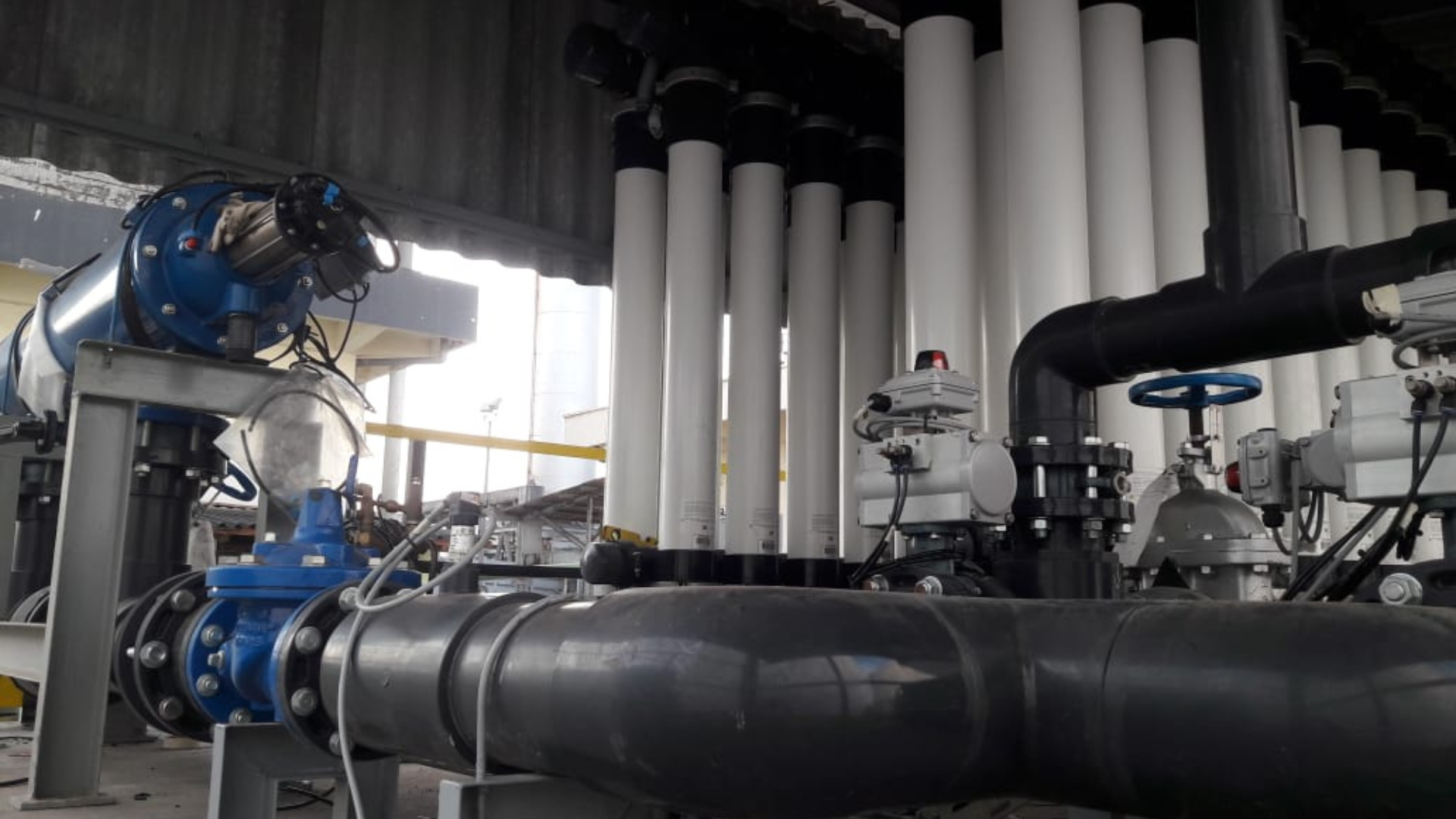
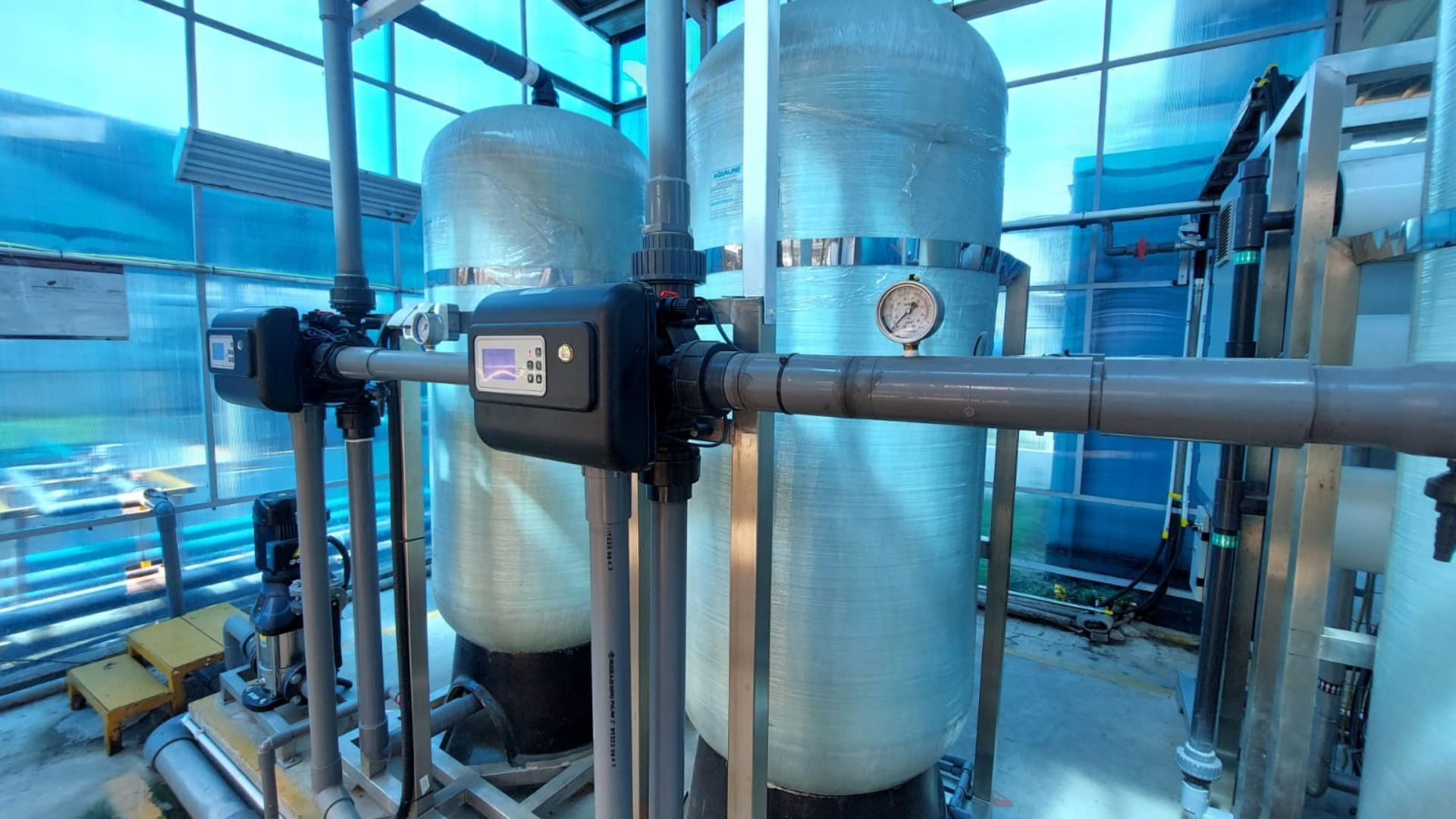
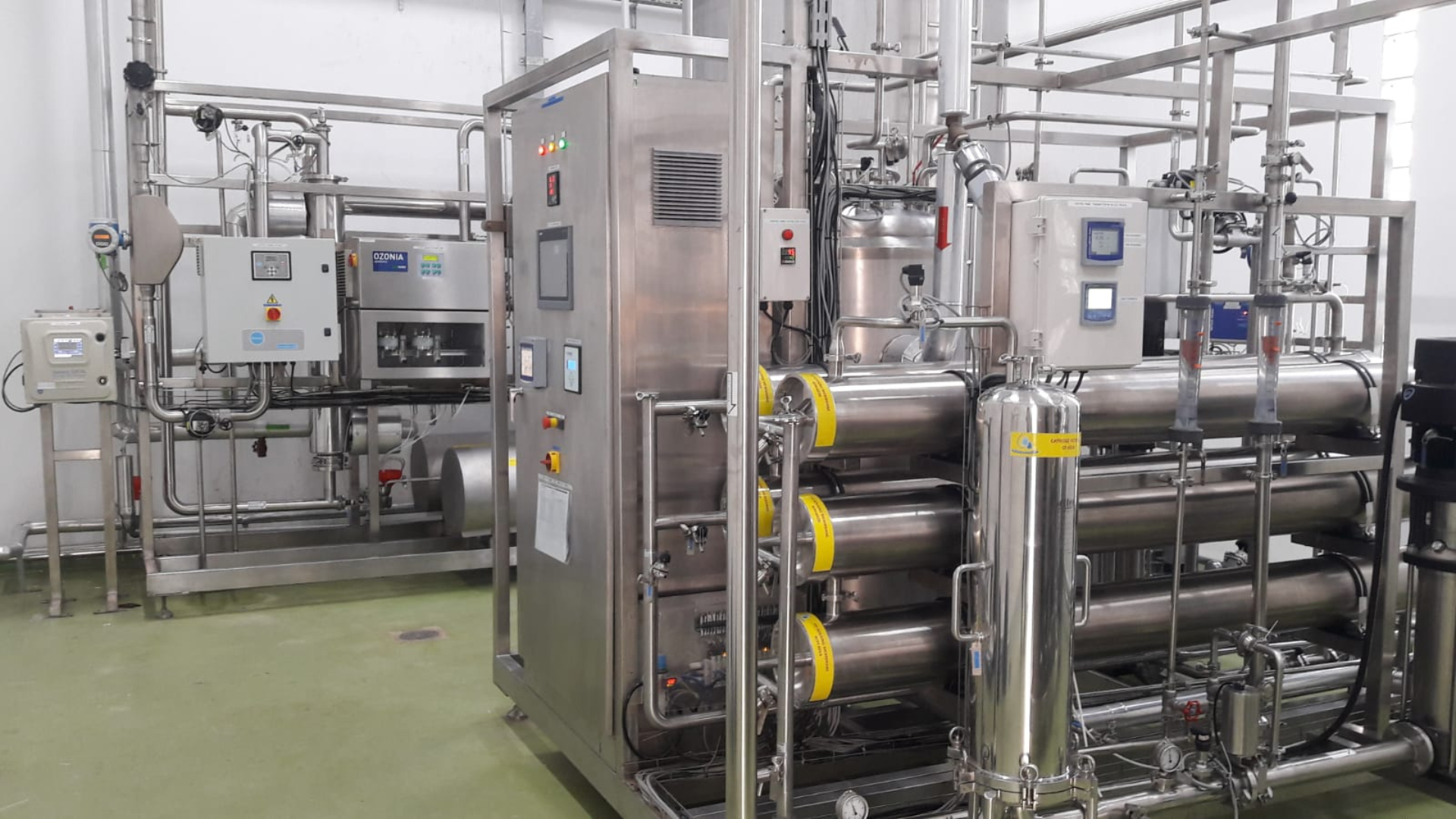
As we know, factories certainly have a utility section. Raw water to be used in certain processes must first be processed into process water. The process used depends on the quality of the raw water to be processed and also the quality of the desired product according to the needs of the next process. After becoming processed water, the feed can be forwarded to the boiler, heat exchanger, or as a solvent.
As can be seen in Fig. 1, the separation process using membrane technology is divided into 5 types based on the pore size of the membrane, namely:
Particulate Filtration: 2 -1000 μm (Depends on the media)
Microfiltration: 0,1 - 10 micrometer
Ultrafiltration (UF): 0,02 - 0,05 micrometer
Nanofiltration (NF): 0,001 micrometer
Reverse Osmosis (RO): 0,0001 micrometer
YOU GOT WATER WE GOT SOLUTION.
By having some good experiences and knowledges, which is dealing with Water and Waste Water Treatment and Industrial Cleaning Chemicals. .
